Crown reduction in Richmond Upon Thames: a practical local service for safer, healthier trees
Tree care matters here in Richmond upon Thames. From elegant period homes near Richmond Green to riverside properties, town centre businesses, and leafy streets around Kew, Twickenham, St Margarets, Ham, Petersham, and Barnes, mature trees are part of what makes the area special. But when a tree becomes too large for its space, starts blocking light, putting pressure on structures, or creating problems after strong wind, crown reduction in Richmond Upon Thames can be the right solution. This service is designed to reduce the overall size of a tree while keeping its natural shape as much as possible, so you get a better balance between safety, appearance, and long-term tree health.
If you are weighing up whether a tree needs a light trim, a more substantial reduction, or something else entirely, it helps to understand what crown reduction actually does. Unlike simple tidying or a harsh cut-back, a proper reduction is carried out with care and a clear plan. It aims to lessen the height and spread of the crown by cutting selected branches back to suitable growth points. Done well, it can improve clearance, reduce wind resistance, and make a tree more manageable without spoiling the landscape. For local homeowners, landlords, property managers, and business owners, that can make a real difference to day-to-day use of the property.
Many customers ask for crown reduction because they need more daylight into a garden, want to protect nearby buildings, or need to keep trees in scale with a smaller plot. In a borough where gardens can be compact and access can be awkward, local knowledge matters. A team familiar with Richmond upon Thames understands common tree species, conservation considerations, shared boundaries, and the practical issues of working in busy residential streets and commercial forecourts. That local understanding helps the work run more smoothly from the first visit to the final clear-up.
What crown reduction involves
Crown reduction is a selective pruning method that reduces the size of a tree’s canopy while preserving its overall form. It is usually used when a tree has outgrown its position, is encroaching on a roof or wall, is causing excessive shading, or needs to be made less vulnerable to wind. The process is different from topping, which is generally harmful and leaves a tree looking unnatural. A proper reduction maintains the tree’s structure by shortening branches back to suitable side growth, helping the tree respond in a controlled way.
In practical terms, the work can include reducing the height of the crown, taking back lateral spread, and balancing the canopy so it looks even from all sides. The amount removed depends on the species, age, condition, and location of the tree. For some trees, a light reduction is enough. Others may require a more noticeable reshape to relieve pressure on nearby structures or make room for driveways, footpaths, or neighbouring gardens.
For customers looking for crown reduction in Richmond upon Thames, the aim is usually not to make the tree “small” in a harsh sense, but to make it more suitable for the site. That distinction matters. Good tree work should respect both the tree and the property around it. In a borough with mature planting and a high number of established gardens, the result should look tidy, balanced, and sympathetic to the setting.
Why local properties often need reduction work
Richmond upon Thames has a wide mix of properties, and many of them were not designed around today’s tree sizes. Victorian and Edwardian houses often have relatively modest rear gardens, while modern developments can be close to established trees. Along river corridors and in conservation-sensitive areas, large canopies can create shade, damp, and pressure on surrounding spaces. Crown reduction can help make a tree work better within these conditions.
Local customers often request the service for very practical reasons:
- Branches hanging too close to roofs, gutters, or chimneys
- Overly dense crowns blocking natural light into gardens or rooms
- Trees that sway heavily in wind and feel too dominant for the site
- Reduced clearance needed over driveways, footpaths, or access routes
- Balancing trees near fences, garages, sheds, or outbuildings
- Managing the size of trees in tight urban plots or shared gardens
These concerns are not just cosmetic. A canopy that is too large can make a garden less usable, increase the strain on branches during storms, and create a constant nuisance for residents or neighbours. A carefully planned reduction can restore balance and make the whole space feel more manageable again.
For commercial premises, the reasons can be just as important. Retail units, offices, hospitality venues, schools, and managed estates may need better visibility, safer access, or a neater external appearance. Where pedestrians, deliveries, or customer traffic are involved, trees need to be managed in a way that supports the use of the site rather than complicating it.
When crown reduction is the right choice
Not every tree issue calls for the same solution. Some situations are better handled by crown thinning, dead wood removal, crown lifting, or crown reshaping. Crown reduction is usually the right option when the tree is healthy enough to respond well, but its size or spread has become too much for the location. It is often recommended where a tree is still valuable and worth retaining, yet needs to be brought back into proportion.
A reduction may be suitable if:
- The crown is pressing too close to a building or neighbouring boundary
- The tree has become excessively tall for the garden or street setting
- There is a history of wind exposure and the canopy needs less leverage
- Light levels have dropped significantly in the home or outside space
- There are structural concerns, but removal is not the preferred option
- The tree needs to be kept within a manageable framework for future years
It is also important to assess whether the tree species will respond well. Different trees tolerate reduction differently, and the final approach should be tailored to the plant’s natural growth habit. A local tree surgeon will usually consider the crown form, the vigour of the tree, the season, previous pruning history, and the surrounding site before recommending any work. That kind of judgement is especially useful in Richmond upon Thames, where mature trees often sit close to houses, walls, roads, and other vegetation.
Good advice before any work begins is always worth having. If you are unsure whether reduction is the best option, a site visit or inspection can help you make an informed decision before booking the job.
How a professional crown reduction is carried out
A professional service starts with an assessment of the tree and its setting. This includes looking at the species, size, health, structural condition, and any constraints such as nearby buildings, overhead lines, access routes, or boundary issues. The work is then planned so that the reduction is proportionate and the tree remains attractive and stable after pruning. On many jobs, the team will agree the target size and shape with the customer before any cutting begins.
The tree surgeon will usually remove selected branches back to suitable lateral growth points rather than cutting indiscriminately. This is important because it helps the tree retain a natural appearance and encourages healthier regrowth. In some cases, the crown is reduced evenly all round. In others, more weight is taken from one side to correct imbalance or to clear a particular obstruction. The method is controlled and deliberate, not rushed.
Once the pruning is complete, the site is cleared of debris, and the cut material is removed or processed as agreed. The finished tree should look smaller, lighter, and better proportioned, but still like the same tree. That is one of the main signs of a quality reduction: it improves the tree without making the work obvious or severe.
What makes a good result
A good reduction is not only about removing branches. It is about achieving the right balance between size, shape, and future growth. The best outcomes are often those where the tree still feels natural from the ground, the crown is more comfortable in its space, and the customer can see immediate practical benefits such as better light, less overhang, and improved clearance.
Well-executed tree pruning should support the tree’s future, not just solve today’s problem.
Benefits of crown reduction for local homes and businesses
There are several reasons why customers in Richmond upon Thames choose this service instead of leaving a tree to grow unchecked or opting for removal. The most immediate benefit is often improved light. Gardens, patios, kitchens, and upper rooms can all feel brighter once dense branches are reduced. In urban areas where every bit of natural daylight matters, that can have a noticeable effect on how the property feels.
Another major benefit is improved safety and comfort. A tree with a large crown can catch wind more strongly, especially in open or exposed parts of the borough. Reducing the crown can lessen the load on the tree and reduce the amount of movement in high winds. While no tree can be made risk-free, a sensible reduction can improve manageability and remove some of the stress that large canopies place on surrounding structures.
For commercial customers, crown reduction can improve site presentation, access, and practicality. Trees that overhang signage, entrances, seating areas, or parking spaces can make a business feel cramped or unkempt. A properly reduced tree can help the premises look cared for while still keeping the green character that many Richmond roads and business settings value.
Common benefits include
- More daylight into gardens and rooms
- Reduced overhang onto roofs, paths, and fences
- Better balance and improved canopy shape
- Less wind resistance in exposed conditions
- Improved clearance for vehicles and pedestrians
- A more manageable tree for future maintenance
Local knowledge matters in Richmond upon Thames
Working locally is about more than simply turning up with tools. Richmond upon Thames includes a mix of quiet residential roads, busier town-centre areas, riverside settings, conservation-sensitive neighbourhoods, and properties with limited access. A local tree team understands how to plan work around these conditions, which can make the whole experience easier for the customer.
Parking can be a real issue in some streets, particularly where residential bays are busy or access is narrow. Larger equipment may need careful loading and unloading, and green waste removal needs to be organised efficiently so the property remains usable. If the tree stands in a rear garden with side access, the team may need to work through tight passages or shared paths. These are the sorts of everyday issues a local service is used to handling.
Richmond upon Thames also has many mature trees close to listed buildings, garden walls, and established boundaries. That means the work needs to be handled with care and an awareness of how trees and structures interact. A thoughtful approach reduces the chance of unnecessary disturbance and helps the finished result sit well within the character of the area.
Nearby areas and property types
Crown reduction is often requested in and around Richmond, Kew, St Margarets, Twickenham, Ham, Petersham, Barnes, Teddington, and surrounding parts of southwest London. The work may be needed on suburban family homes, converted flats, communal gardens, commercial courtyards, school grounds, or managed landscapes. In each case, the goal is the same: keep the tree suitable for the site and maintain a tidy, professional result.
What is usually included in the service
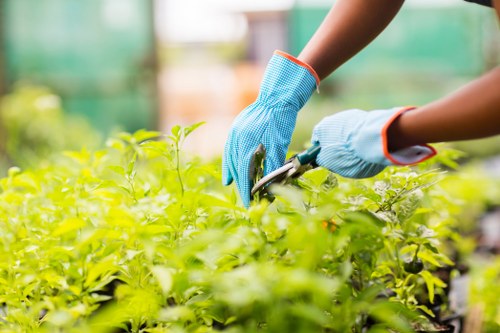
Customers often want to know what happens when they book crown reduction in Richmond Upon Thames. While every job is different, a typical service includes a site assessment, a discussion of the desired outcome, the pruning itself, and a full tidy-up afterwards. Depending on the tree and the location, the team may also advise on follow-up maintenance or the timing of future work.
In many cases, the work will include:
- Checking the tree’s condition and access arrangements
- Confirming the intended reduction and any priority branches
- Using controlled pruning techniques to reduce the crown
- Maintaining a natural shape and appropriate branch structure
- Removing all cut material from the site, if agreed
- Leaving the area neat and ready for normal use
Some customers also ask for related services at the same time, such as light crown thinning, dead wood removal, or crown lifting for access. Where appropriate, these may be combined so the tree is addressed efficiently and the final result is more balanced.
Clarity before the work starts is important. It helps ensure the final shape matches your expectations and the tree is treated in a suitable way for its species and location.
Preparation checklist before the team arrives
Good preparation makes the job easier and helps reduce delays, especially in places where access is tight or parking is limited. You do not usually need to do much, but a few simple steps can make a real difference.
Before your appointment, consider the following:
- Move vehicles away from the work area if possible
- Clear garden furniture, plant pots, and children’s toys from beneath the tree
- Make sure side gates, rear access points, or communal entrances are available
- Warn neighbours if branches overhang shared boundaries
- Identify any delicate features such as greenhouses, ornaments, or water features
- Let the team know about pets, locked access, or specific timing needs
If the tree is near a public pavement, road, or shared access route, additional planning may be needed to keep the work safe and well organised. A professional local team will usually guide you on any special arrangements, but it always helps if the property owner can flag practical issues early on.
Pricing factors to consider
Exact costs can vary because no two trees, sites, or access conditions are the same. Rather than looking for a one-size-fits-all figure, it is more useful to understand the main factors that influence a quote. That way, you can compare services fairly and know what information to provide when requesting a price.
Typical pricing factors include:
- Tree size, species, and overall density
- How much of the crown needs to be reduced
- Ease of access for equipment and waste removal
- Whether the tree is near buildings, roads, or other obstacles
- Whether extra work is needed, such as deadwood removal or clearance pruning
- Time required to complete the work safely and tidily
Properties in Richmond upon Thames can present added logistical considerations, especially where access is through a side passage, over a wall, or via a shared garden. These details matter because they affect labour, setup, and the amount of care needed to protect nearby features. A clear site description helps ensure you receive an accurate and realistic quotation.
It is usually worth asking what is included in the quote, such as waste removal, site clearance, and any follow-up advice. That makes it easier to compare like with like and choose the right service for your property.
Why choose a local company for crown reduction
Choosing a local company for crown reduction in Richmond upon Thames brings several practical advantages. A nearby team can usually respond more quickly, arrange site visits more conveniently, and arrive with a better understanding of local property layouts and access patterns. That is especially helpful where streets are narrow, parking is restricted, or large vehicles need careful positioning.
Local experience also means the team is more likely to be familiar with common tree issues in the area, such as overgrown garden trees close to neighbouring boundaries, mature specimens in historic settings, or trees that have been trimmed repeatedly in the past and now need a more careful correction. This kind of familiarity can lead to better advice and a more suitable end result.
For many customers, there is also comfort in working with a service that understands the character of the borough. Richmond upon Thames has a strong mix of formal front gardens, established family homes, riverside plots, and commercial spaces that still need to look attractive. Tree work should respect that setting and support it, not fight against it.
Reasons people book locally
- Faster and easier site visits
- Practical knowledge of local access and parking
- Better understanding of trees in built-up and leafy streets
- Suitable advice for homes, landlords, and businesses
- Clearer communication about what the work will achieve
Frequently asked questions
How often should a tree be crown reduced?
This depends on the species, growth rate, and location of the tree. Some trees may only need attention every few years, while others in confined spaces may need more regular maintenance. A local assessment will help determine a sensible cycle for your particular tree.
Will crown reduction damage my tree?
When carried out correctly, it should not damage a healthy tree. The aim is to prune carefully and retain as much natural structure as possible. Poorly executed work, however, can stress the tree and lead to weak regrowth, which is why technique matters so much.
Is crown reduction suitable for every tree?
No. Some trees respond well, while others are better suited to a different pruning method or even removal if they are unsafe or unsuitable for the site. A proper inspection is the best way to decide.
Can you reduce a tree that is close to a house or boundary?
Yes, provided there is safe access and the tree is suitable for the work. In Richmond upon Thames, many jobs involve close proximity to buildings, fences, and neighbouring gardens, so careful planning is important.
Do I need permission before booking the work?
Sometimes. Trees may be protected by a Tree Preservation Order or located within a conservation area. If that applies, checks should be made before the work begins. If you are unsure, it is sensible to raise this early when requesting a quote.
What should I expect after the reduction?
Expect the tree to look lighter, more balanced, and less dominant. The exact appearance depends on the species and the amount removed, but a well-done reduction should leave the tree looking natural and the site feeling more open.
Book your crown reduction service
If your tree is becoming too large, blocking light, or causing concern near your home or business, crown reduction may be the right next step. A local, well-planned service can improve the look and function of your outdoor space while keeping the tree in good shape for the future. Whether you are managing a single garden tree or several trees on a commercial property, the right approach should be careful, proportionate, and suited to Richmond upon Thames.
Contact us today to discuss your tree, ask about the best options, and arrange a site visit or quote. If you are ready to move forward, request a free quote and find out how crown reduction could make your property safer, brighter, and easier to manage. Book your service now and take the first step toward a more balanced outdoor space.
Why customers in Richmond Upon Thames choose crown reduction
Customers often choose crown reduction because it offers a sensible middle ground. It preserves the tree, improves the site, and avoids the disruption that may come with removal. In a borough known for mature greenery and attractive residential streets, that balance is especially valuable. Trees are part of the area’s character, but they still need to fit the space they occupy.
For homeowners, that can mean enjoying a brighter garden and less worry about overhanging branches. For businesses, it can mean cleaner sightlines, safer access, and a more professional exterior. For landlords and property managers, it can mean fewer complaints, better maintenance planning, and a more controlled landscape. In every case, the service should deliver a practical result that suits the property and the people who use it.
If you are looking for crown reduction in Richmond Upon Thames, the best outcome is one that feels tailored, respectful, and dependable. The right team will listen to your concerns, assess the tree properly, and carry out the work with care for both the tree and the surrounding setting. That is what local customers should expect when booking a professional tree service.